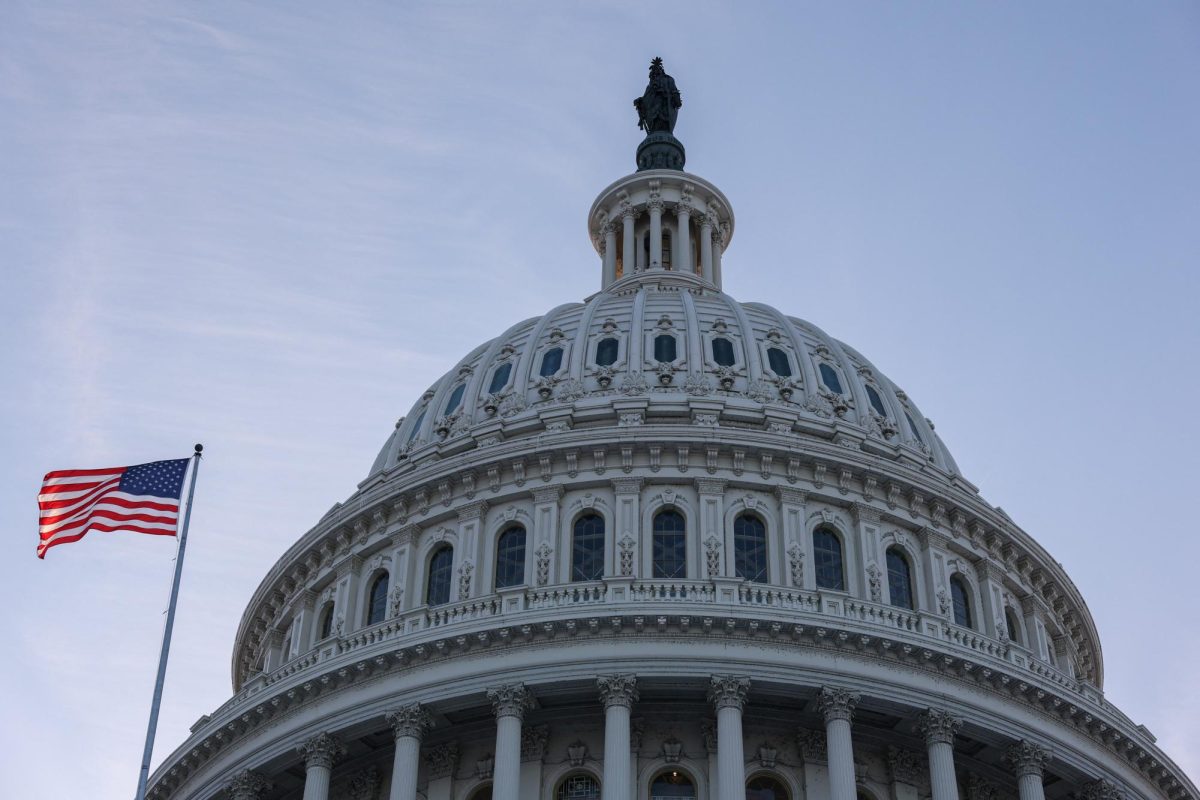
The U.S. federal government has been shut down since Oct. 1, marking the start to the 2nd longest shutdown in history and what may become the longest. The Republican and Democratic parties were unable to agree on a short-term funding bill, and this standstill resulted in the shutdown. The conflict arose over ending healthcare subsidies—if the subsidies expire by the end of the year, insurance premiums will rise by 114%, skyrocketing American families’ payments. Both parties are severely polarized, frequently placing their votes based on a vendetta against the other rather than for the interest of our nation.
However, responsibility does not fall solely on the federal government’s shoulders. Because of the convoluted nature of the shutdown and the lack of willingness of either side to compromise, the real solution lies among the people. Public sentiment has always been vital to political decisions, and in the case of the 2025 shutdown, it might be the push needed to identify a solution.
“It’s going to be a very long shutdown,” said Mrs. Heather Moore, a history teacher at Arcadia High School (AHS). “And I think that what might move the needle on this would be public outrage tipping in the direction of one party or another.”
Currently, American citizens mirror the polarization and disarray of their government, resorting to outrage and strong criticism of the party they disagree with. This growing divide has made it harder for people to make informed decisions or find common ground.
“Right now, it seems like the outrage is really aimed at the other party, depending on who you are. So there doesn’t seem to be any sort of public unity behind who to blame for the shutdown,” Mrs. Moore said.
In the face of this issue, active political participation of citizens is necessary now more than ever. Citizens must stay informed and engage in discussion with their alternate party to come to an agreement and advocate for the change they wish to see. Reasoning and coordination among citizens is the first step to start pushing their leaders toward a solution.
“Citizens have great power, and this is something I thrust upon my students on a regular basis. We have great power. We can write our congressional representatives. We can utilize social media and the power therein to advocate for more compromise, for more discussion,” said AHS history teacher Mr. Paul Green.
When the government fails to do its job, it is in the hands of citizens to come together and put their foot down. With the continuation of the government shutdown, its effects leech into the lives of American citizens. The longer the shutdown continues, the more damage will be done to the Supplemental Nutritional Assistance Program (SNAP); California Women, Infants, and Children (WIC); and the U.S. Department of Education. Although not everyone will feel the effects to the same magnitude, they must not turn a blind eye to the issue—“out of sight, out of mind,” is a dangerous saying to live by, especially when peoples’ livelihoods are at stake.
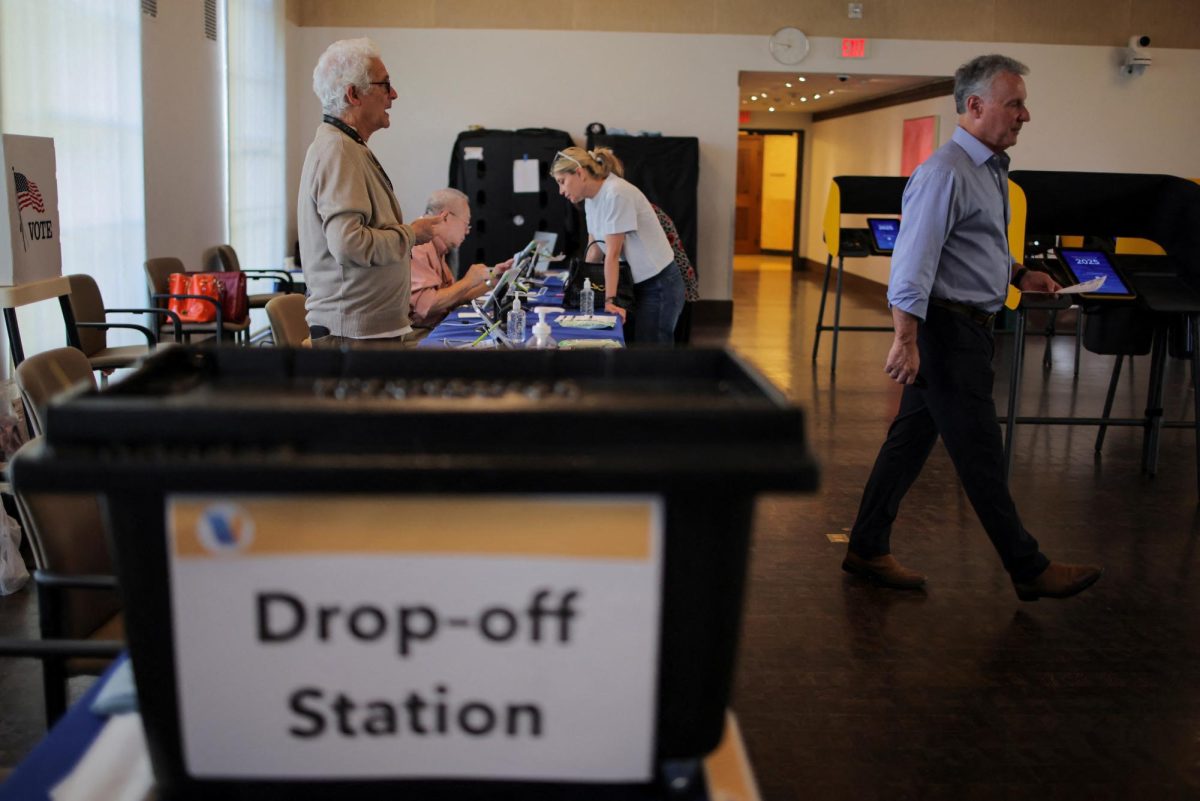
We need change in our elected officials’ behaviors. And we the American people have the capability to facilitate this change. As the next generation of voters, we have the power to carve the political scene that we want. With our votes, we have the ability to decide who is voted into office as our congressional representative or senator.
Then, it is also our duty as citizens to stay informed and engaged in politics in order to ensure our votes are based on facts and critical thinking rather than misinformation or bias. Through reading or listening to the news from a credible news source, citizens can properly make an informed decision when voting in officials. Informed voting is what allows citizens to ensure their government truly reflects the will of the people and protect against corruption of our democracy.
As Abraham Lincoln once said, “this democracy is the government of the people, by the people, and for the people.” It is in our hands to push for unity and compromise, and we cannot sit idly by in the face of this looming shutdown.