Trigger/Content Warning: This piece may contain instances of cyberbullying, body dysmorphia, and suicide in the context of teen mental health and social media. Please proceed with caution if you are sensitive to these topics. If you believe you or a loved one is at risk, feel free to call or text 988 (Suicide & Crisis Lifeline), open 24/7 in the U.S.
In an era ruled by the internet, social media has become less about communicating and more of an environment that shapes identity, especially for young users like teens. Companies like Meta Platforms have created methods to keep viewers captivated without accounting for their impact on adolescents. Limiting our new generation’s use of the internet and social media can help our society start anew, potentially reducing online harassment, addiction to devices, and mental health issues.
Up to 95% of teens use social media, and countless of them have public accounts, making their identities viewable to the world. Once-private lives have now been broadcast for everyone to see, exposing adolescents to constant comparison, cyberbullying, and unrealistic beauty standards.
Teen influencers, such as those from the Glow House, a Gen Z TikTok influencer collective and content house, claimed to have formed their group to spread positivity and empowerment, acting as a “big sister” community for younger children and teens. However, they face tons of criticism for allegedly bullying other members, collaborating with other controversial creators, and being unsupportive and insincere to each other. Other teen influencers often don’t consider how their content may affect younger viewers, making their platforms unreliable and, in some cases, mentally detrimental.
When exposed to social media, teens can develop low self-esteem, a decline in mental health, and even body dysmorphia. Teens are at a developmental stage where they are forming their identities and seeking validation, making them particularly vulnerable to the effects of online interactions. Cyberbullying can deeply affect a teen’s self-worth and lead to mental distress and insecurity in their identities.
Furthermore, posts highlighting “ideal” body types and seemingly flawless days can have deep influences on a young teen’s understanding of self-image and what life is meant to look like. 40% of teens reported that social media content made them worry about their self-image. Excessive exposure to social media results in teens who view themselves as excessively underweight or overweight, which causes them to be twice as likely than peers to attempt or think about suicide. This emphasizes social media’s effect on the mental health of teens, stemming from the content that they consume daily.
Moreover, most influencers post only the features and most exciting parts of their day, but they don’t let others see what goes on behind the scenes. This deceives people into thinking that the “perfect” influencer life is achievable, but in reality, it’s unattainable for most. Someone’s identity becomes hazy when watching so many people have experiences far from their own. For instance, a person may not be confident that their lifestyle is extravagant enough, so they compare it to what they see online. However, social media varies depending on who you listen to or what content you consume, often confusing viewers and distorting their perspective on life.
Although adults are negatively affected by social media too, they typically have a better understanding that daily life has its ups and downs, unlike young adults and children, who generally believe most of what they see. Furthermore, teens relate more to people their age, making them more sensitive to that content, and they wonder: if someone their age has a life like that, why can’t I?
Consequently, concerns about age restrictions have risen. Many adolescents are constantly hooked on their phones, “doomscrolling,” and continuously comparing their lifestyles to what they see on social media.
This would all be avoided if teens simply didn’t have these social media apps on their phones, reducing comparison and pressure.
Meta has been faced with lawsuits concerning platforms such as Facebook and Instagram’s ability to engage people, specifically teens, as they were intentionally designed to be addictive. In March, Meta was ordered to pay $375 million in civil penalties for misleading users concerning child safety and enabling exploitation. Meta’s $4.2 million and Google’s $1.8 million payment for a bellwether trial (a “test case” selected from a large group of similar lawsuits—typically in multidistrict litigation (MDL)—to be tried first) regarding social media addiction in children were also issued.
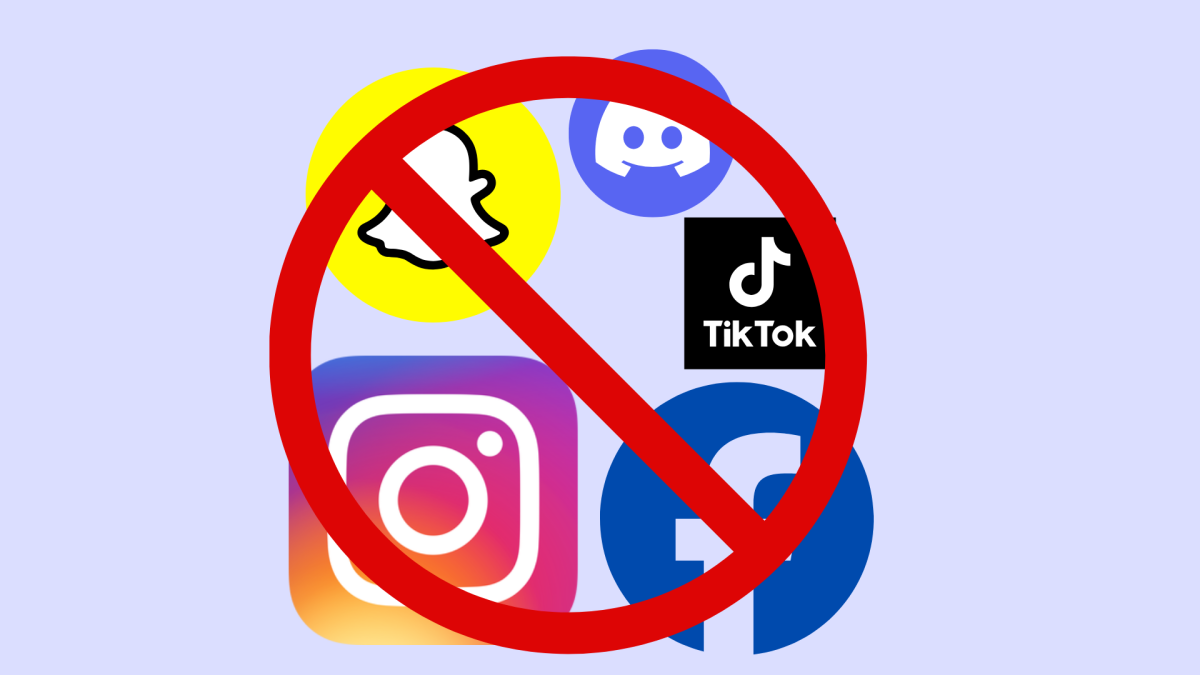
Age restrictions can be implemented to combat this. Restrictions can include platforms that use face recognition, direct user input, and even linked social media accounts. Some platforms already have age restrictions. For example, Instagram has the Teen Accounts feature that allows users under 18 to have automatic private accounts, restrict messaging, and have strict content regulations. They prevent young users from consuming inappropriate content, even if it’s shared by a friend. Furthermore, TikTok has a 60-minute daily screen time limit for users under the age of 18. The user might not have the passcode, requiring permission from their parents to continue browsing.
To further limit children’s consumption of inappropriate or harmful content, parents can limit children’s internet use by implementing time restrictions or taking away their devices at nighttime. Limited screen time is crucial for the healthy development of a child since it may motivate higher physical activity, improve mental health, and promote better sleep.
Evidently, social media has become detrimental to the well-being of young viewers, so implementing age restrictions on what teens post is fundamental. These measures can help foster a mentally healthier and more resilient generation, fundamentally strengthening young people’s well-being and creating a more positive outlook on life.