The divide in American political discourse is creating a culture where both sides no longer consider each other as fellow citizens with competing philosophies but as threats. The continued weakening of political parties having mutual respect and agreement based on commonly accepted facts about political issues is a threat to our basic democratic principles, which have been the very foundation of our nation.
Democrats and Republicans cannot agree on the basic facts of the issues in the U.S. This lack of trust and understanding across partisan lines has been steadily declining in recent years. Many voters now describe the opposing party as “close-minded,” or even “immoral,” signaling a dangerous mindset that opposing party members are acquiring.
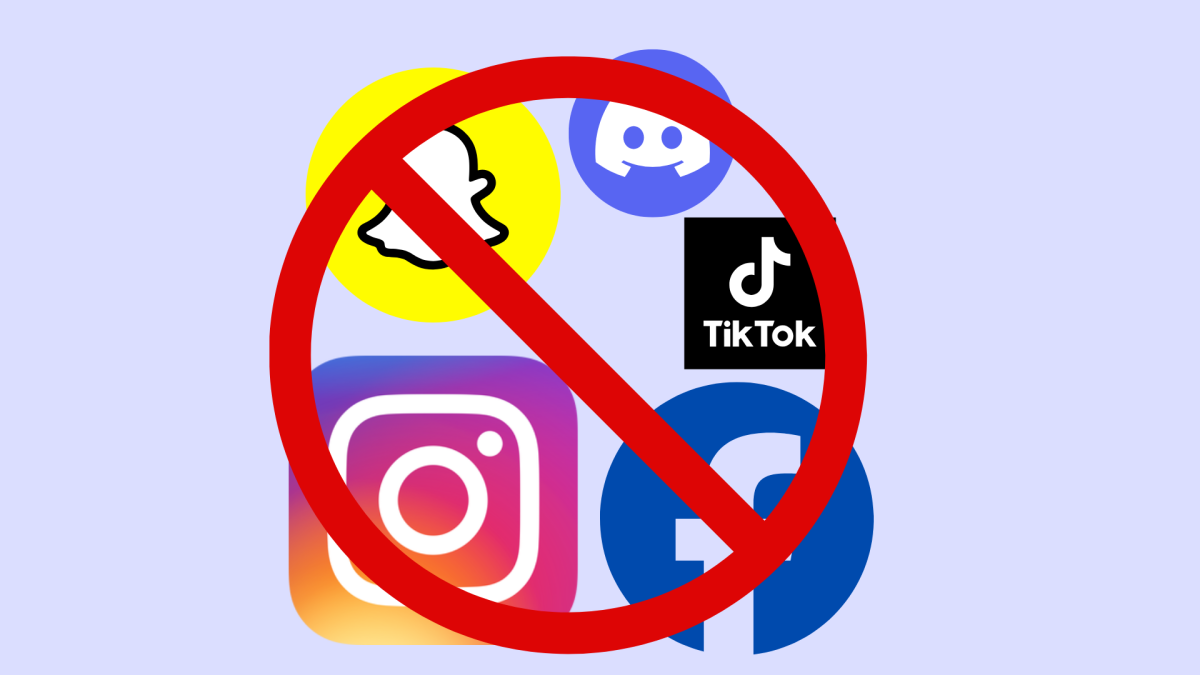
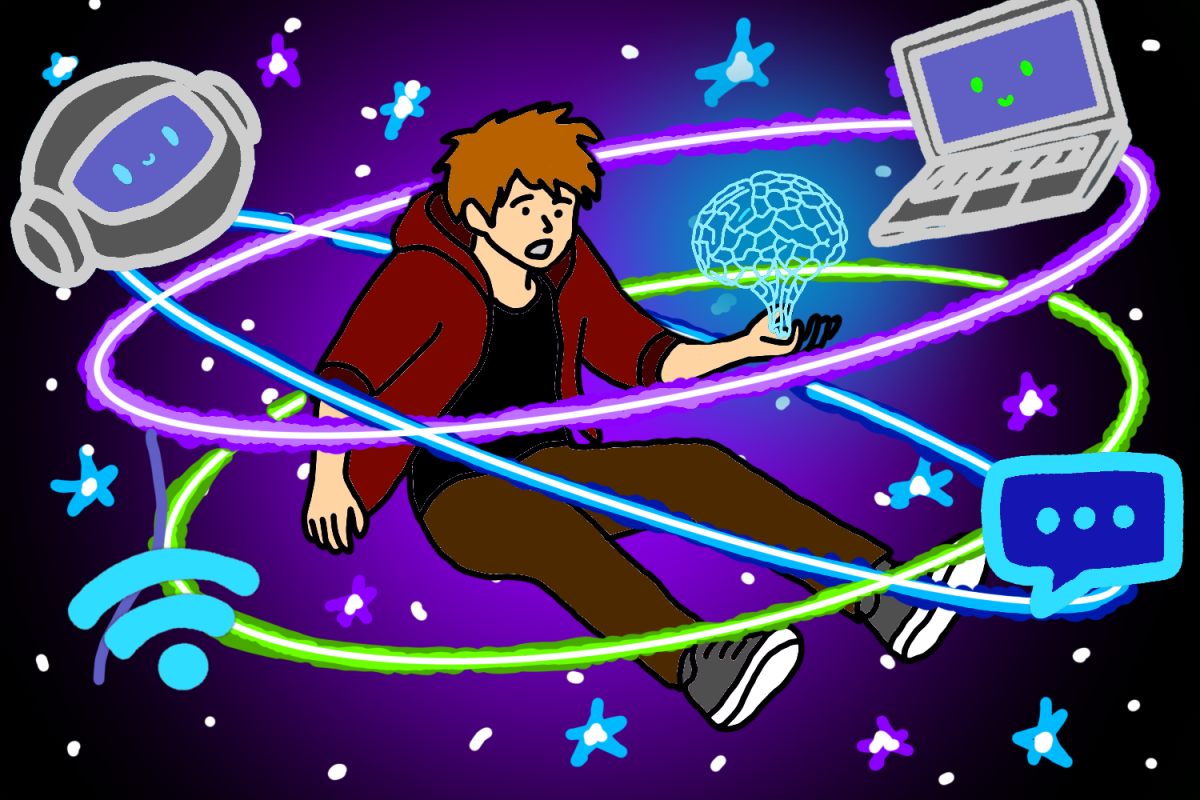
Social media is a major reason for this political divide. Platforms like Instagram, TikTok, and Twitter are designed from their very algorithm to keep users engaged by showing content that sparks strong emotions and is consistent with the users’ viewpoints. Posts that elicit strong emotions, such as anger, tend to receive more views, shares, likes, and comments. As a result, social media can exacerbate polarization because it consistently feeds content to users that supports their own opinions rather than providing posts with an opposing viewpoint.
Similarly, the news media also contributes to the growing political divide. Americans often choose news sources that align with their own political beliefs, rather than listening to a variety of news outlets to gain a better understanding of the whole picture. Conservatives may primarily watch Fox News or follow conservative influencers, while liberals may rely on The New York Times or follow liberal influencers. Instead of hearing different perspectives, people remain in “echo chambers,” where their existing belief systems are continually reinforced and validated. As a result, it becomes increasingly difficult for either side to compromise with one another because each believes that it alone represents the truth.
Both major political parties use provocative rhetoric, which has agitated this toxic political climate. Politicians increasingly describe opponents as existential threats to the country or to democracy rather than as partners in a standard political debate. The rhetoric has shifted from political disagreement to dehumanizing language, creating hostility among ordinary Americans. Families argue at holiday gatherings over politics, friendships end because of voting choices, and one’s political identity becomes tied to one’s personal identity.
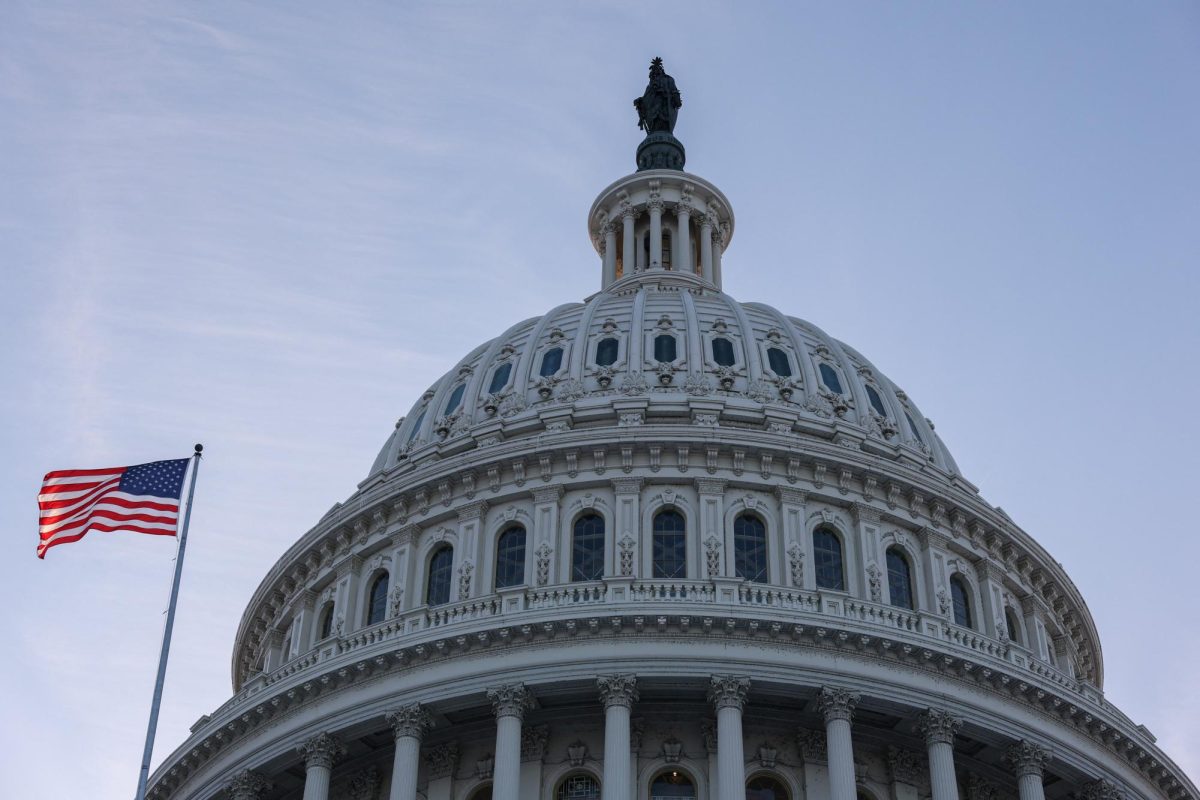
Hyper-partisanship has hindered Congress from passing legislation on issues such as immigration, healthcare, gun control, and the allocation of the national budget. Government shutdowns have become more frequent and longer-lasting, such as the 2025 government shutdown, which lasted 43 days, the longest complete shutdown in U.S. history.
Disagreement is normal and healthy. It demonstrates that a democracy can grow over time. However, the basis of democracy is a willingness to compromise, respect for those with whom we disagree, and to see our opponents as fellow citizens through listening to differing opinions, as well as challenging each other’s opinions through civilized debates, not physical attacks. Democracy, at its very core, rests upon a foundation of debate and compromise. The U.S. was built on such values, and it’s time for us to find our way back to them. As George Washington warned in his Farewell Address, “the spirit of party” may ultimately lead to the downfall of American democracy.