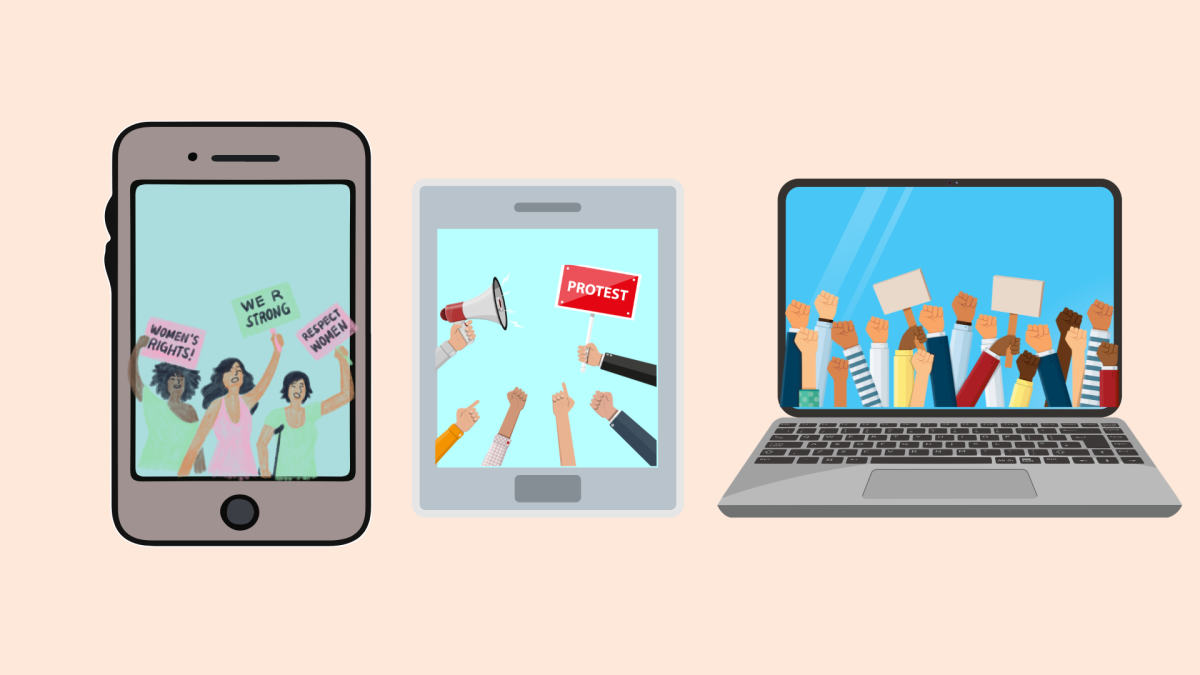
In recent years, more teenagers have become politically active. Whether it’s through social media debates, protests, or campaigns, young people have chosen to engage in public issues far earlier on than before. It is beneficial to encourage a generation that is more informed, engaged, and prepared to vote responsibly as adults, but there are significant downsides, as well. Teenagers should learn to be civically engaged, without it taking over their lives and negatively affecting their independence or mental health.
As they are still forming their identities and beliefs, teens can be especially susceptible to outside influence, much more so than adults. Family members, social media, peers, and teachers are the most impactful on their opinions. In certain households, political views may be strongly expressed and expected to be shared. Consequently, teens may feel constant pressure to simply adopt the beliefs of their parents or those around them. Online platforms can often amplify extreme voices and advertise drastic measures, as well, which teenagers may mistake for the truth.
Nowadays, politics can also be frequently frustrating and divisive. Compromise between political groups seems incredibly difficult to reach because of the wide gap in distinct ideologies, and change feels almost impossible. Adults who have already been exposed to these situations may even feel discouraged at times. For teenagers who must navigate academic pressures and personal problems at the same time, the political climate can be rather overwhelming.
Teenage political participation may influence government policy making, but those who have not yet reached the voting age still have little influence on actual decisions, despite being directly affected. Politicians tend to prioritize the opinions of older generations because adults often have an established alignment with a party and directly influence election results. This contrasts with teens, who are more likely to shift views and don’t have an immediate effect on policies.
Ultimately, teens can become disillusioned and distrustful of political leaders when they find that their efforts may not be taken seriously, even when they are heard.
Thus, immersing themselves in an environment marked by constant disagreements and stalemates can lead to increased anxiety and hopelessness. This would be particularly detrimental to teenagers who are far more vulnerable than those older than them who experience these emotions. In a time when teens should be exploring, learning, and making self-discoveries, stress over national and global conflicts may serve to harm their mental health.
Teenagers should stay educated on issues that affect the world, however, without making politics their whole identity. Basic civic education and awareness are essential in modern society to maintain a healthy democracy and hold government officials accountable for their actions. Young people should be taught how an effective government functions and understand major, controversial topics. Schools can promote this through activities like classroom debates or discussions of current events.
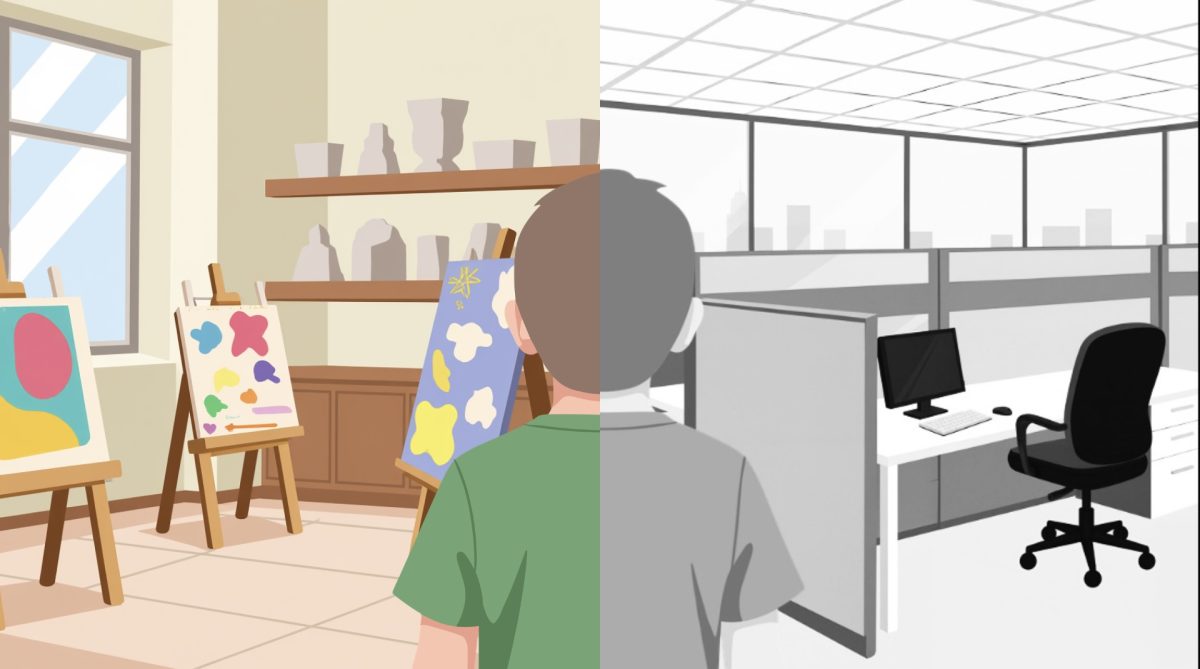
In all, choosing to become a moderately active member of the community by approaching politics with an open mind and understanding different perspectives would allow teenagers to grow intellectually and emotionally before stepping fully into the rather intense and risky political world. This would give teenagers a chance to carefully consider and develop their own balanced opinions. By prioritizing education, personal well-being, and growth, teenagers can later participate in politics with greater clarity and strength.