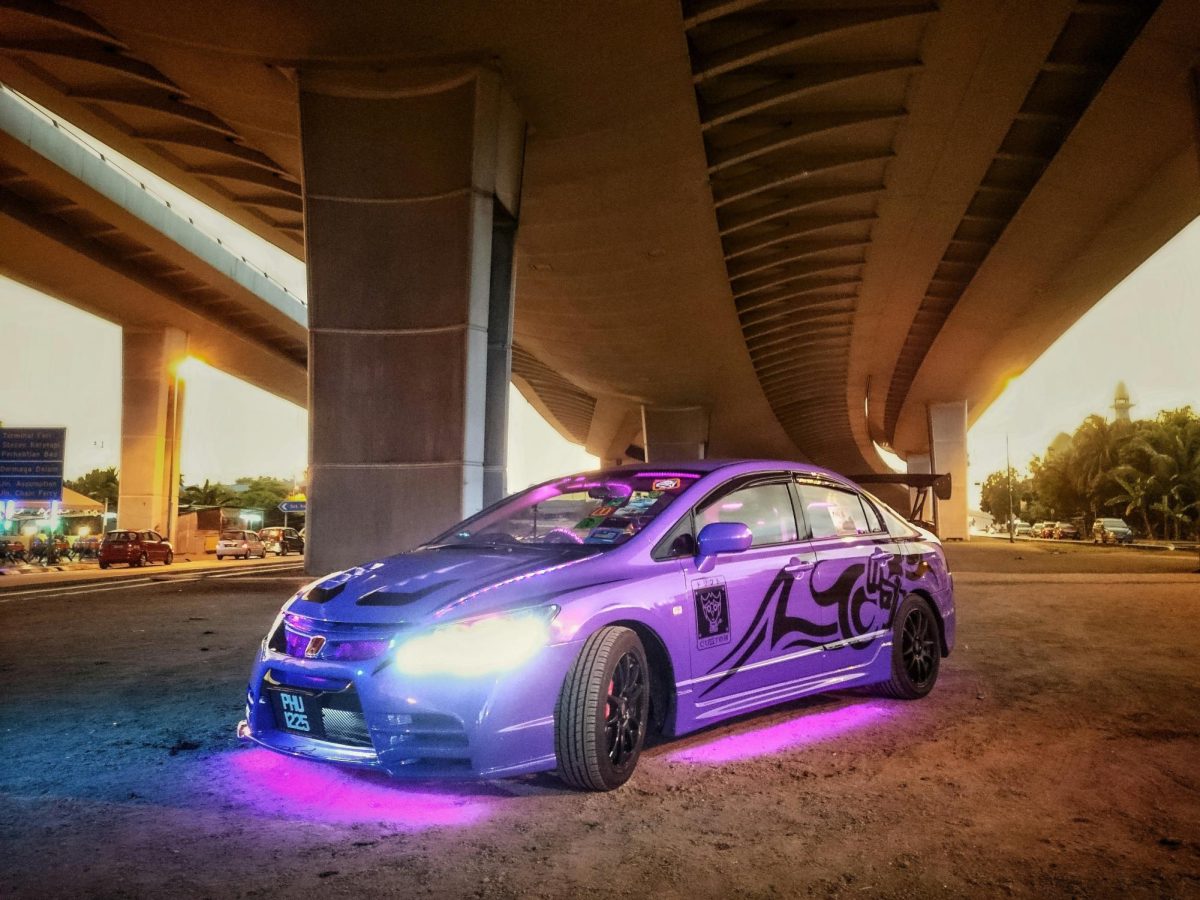
What was once a distant concept of the future, self-driving cars are now actively reshaping how people approach driving. As a Tesla driver, I recently received a free one-month trial of the car’s full self-driving program. During that month, I relied on it heavily. I would let my car back into difficult parking spaces for me, and drive me to and from school. Each time, the experience was extremely convenient, and by the end of the trial, I had grown used to letting my car do much of the work. When the free trial expired, I found myself missing the features that the fully self driving mode provided. And that made me realize how quickly reliance on self-driving technology can form.
One of the strongest arguments in favor of self-driving cars is safety—and for good reason. Human error accounts for the majority of car accidents, often caused by distraction, fatigue, or just poor judgment. When I see drivers texting, speeding, or drifting between lanes, my first thought is how self-driving technology could reduce these dangers. Self-driving systems are designed to always stay alert, follow traffic laws, and react faster than humans in many situations. In theory, widespread use of this technology could significantly reduce accidents and make roads safer for everyone.
Yet, my experience also revealed a significant downside: dependence. During the free trial, driving required practically zero focus and effort. Once it ended, even though I had driven for months without these tools before, I felt their absence immediately. This kind of technological dependence led me to be concerned about whether drivers are slowly losing essential skills like situational awareness and quick decision-making. If drivers disengage too often, they may be unprepared to respond when technology fails.
And technology can fail. Cameras can miss things, software can glitch, and not every situation on the road is predictable. If drivers are no longer fully engaged, those split-second moments where human judgment matters most could become even riskier.
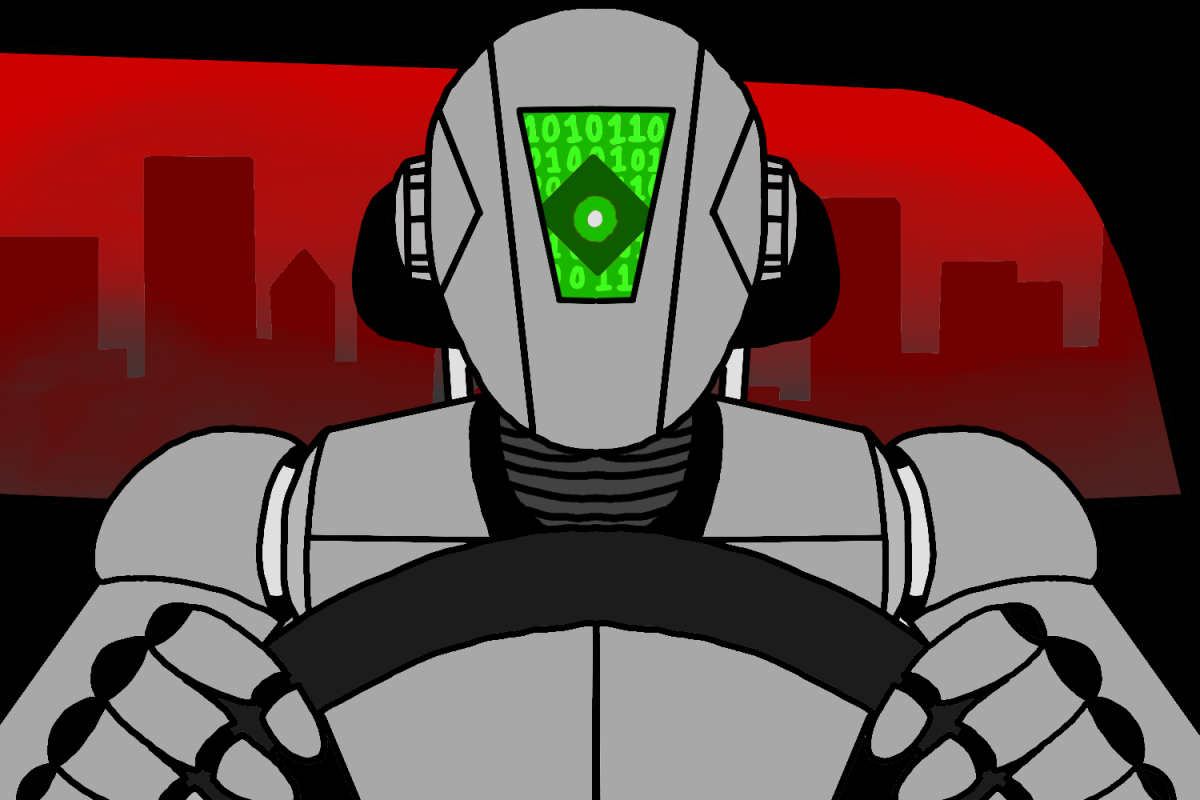
This notion of technology becoming a crutch we rely on too heavily became evident to me one day while giving a friend a ride. I let my car park itself, and watching the steering wheel turn on its own, my friend joked, “Robots are taking over the world.” Her comment captured a large concern: how easily we accept technology taking control of tasks we once considered entirely human.
In essence, self-driving cars are not necessarily a bad thing. They make driving easier, safer, and more accessible, and it makes sense why people are drawn to that convenience. But my experience with my car’s free trial showed me how quickly helpful technology can turn into something we rely on without even realizing it. As self-driving technology continues to improve, the goal should not be to remove humans from the driver’s seat entirely, but to make driving safer while keeping people actively involved. Automakers, such as Tesla, have designed systems that require regular driver engagement, such as monitoring eye movement or prompting drivers to keep their focus on the road. As the popularity of self-driving cars continues to grow, continuing to implement and expand these technologies is necessary. Otherwise, we may find ourselves depending on technology more than we ever intended.