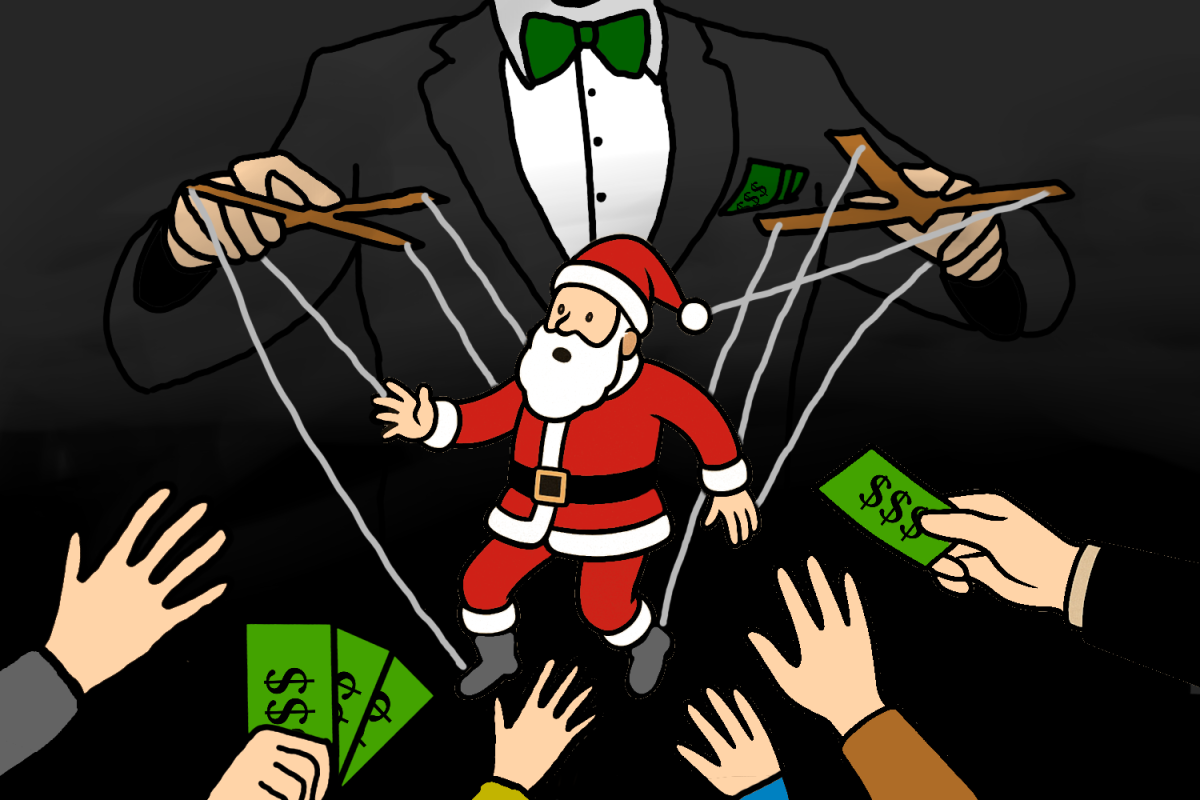
As the holidays come around, people are suddenly pushed into what feels like a “justified” purchase. Those who usually hunt for deals rush to buy unnecessary gifts and materialistic items. The season, marked by wholesome traditions, has recently been dominated by companies and platforms seeking profit, turning this time of year into a high-stakes spending competition and encouraging people to overspend.
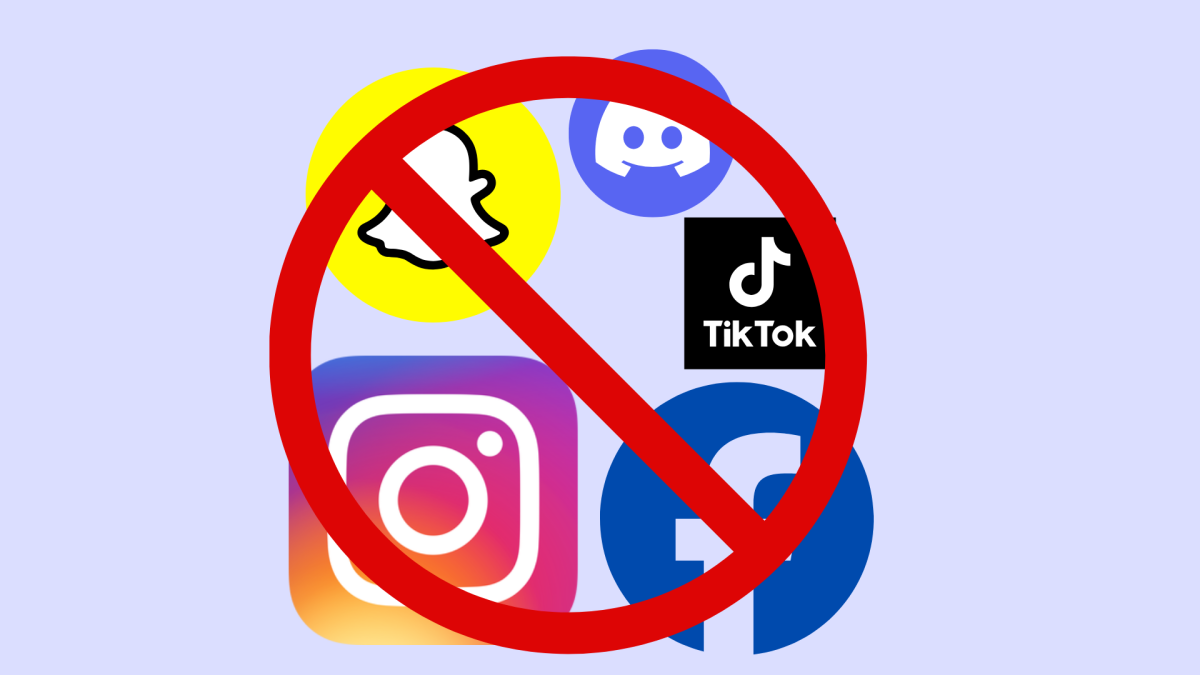
Social media is a major contributor to this mindset. Influencers constantly show off their extravagant, aesthetic decorations, as well as the surplus of presents they receive. This drives many to compare their own circumstances to what they see online, and it becomes easy for people to start believing that what they buy or give determines their character or value as a person. As a result, the holiday season feels less like a period of true meaning and joy, and rather, expectations to showcase your money publicly.
Cultural and familial traditions add another layer to this situation. Many families hold holiday practices such as feasts, outings, or present exchanges. Though initially rooted in love and togetherness, over time, these traditions can become obligations instead of choices. People feel compelled to spend money that they might not have out of fear of disappointing loved ones. The point of such customs, which is to strengthen bonds and celebrate shared beliefs, disappears entirely when they become more stressful than exciting.
Holidays then become increasingly commercialized, escalating pressure on people who are unable to fulfill the so-called “requirements.” Businesses, like gift shops and event services, develop marketing campaigns and promotion strategies in preparation for the last two months of the year, since that is when people spend the most. Sales are designed to create a sense of urgency so shoppers buy more than they intended, and the focus shifts from connection to revenue and self-gain. Consequently, the value of a present begins to be solely measured by its price, and the gifts don’t actually matter since they are simply for display.
However, the real challenge in changing these spending habits is to learn how to separate what we actually want from what we are told that we need, stepping away from online and social pressures.
Families can establish a budget, prioritize doing other holiday activities together, like baking or decorating, and encourage personalized presents instead. People can also limit their exposure to social media and focus more on the core values of the season. After all, this time of the year is supposed to be about the people you hold close to your heart, and the true worth of a gift is celebrated for the thoughts and actions behind the gesture, not mere purchases.