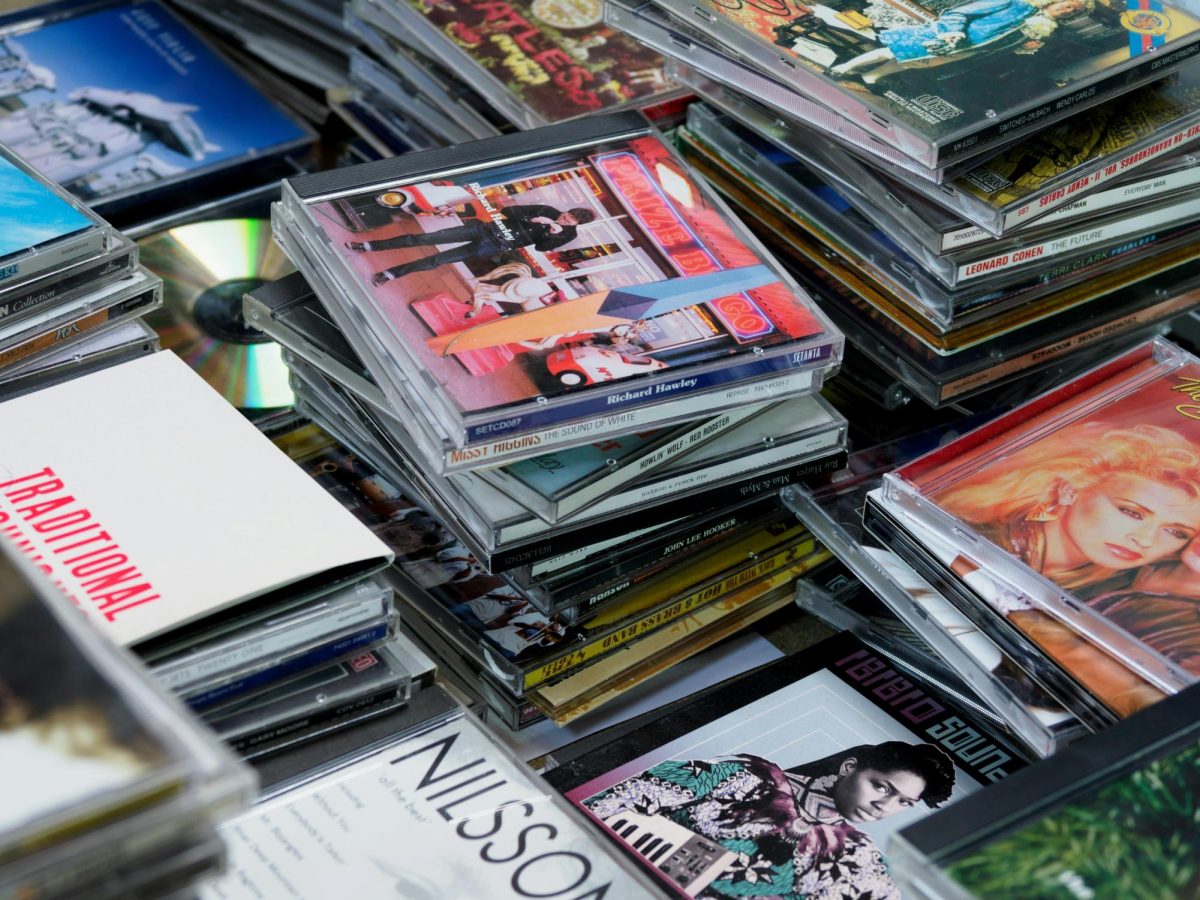
Deluxe albums have been increasingly common in the modern music industry, but what is their true purpose? With the influence of streaming platforms like Spotify and Apple Music, artists are often encouraged to extend projects beyond their original release. Today, streaming plays a major role in determining chart success, with Billboard factoring heavily on streams for rankings. Since longer albums and additional tracks on an album can generate higher total streams, artists have a clear incentive to release deluxe versions of their albums.
On one hand, deluxe albums can serve as a meaningful artistic extension. Additional tracks can be added for songs that did not fit the original album’s structure but still contribute to the overall narrative. For example, Gracie Abrams released extended versions of her projects that include more introspective songs, giving listeners a deeper look into her songwriting style and emotional themes. The extra tracks feel cohesive with the original album, adding depth rather than distraction.
“Deluxe albums feel like bonus chapters to a story you already love by making the album feel more complete,” said sophomore Damien Kuo.
Platforms that measure success through streams and chat positions incentivize artists and record labels to release more content frequently. Because each additional song can increase total streams, having deluxe albums can become a strategic way to boost visibility and remain competitive. For instance, artist Taylor Swift has released deluxe editions that add new tracks to already successful albums, helping to maintain chart performance.
“Sometimes it just feels like artists are adding songs just to stay on the charts, not because the music actually needs to be there,” said sophomore Cyrus Chow.
Another important factor is timing. Some artists choose to release deluxe versions months after the original album, allowing the initial project to stand on its own before expanding. This approach feels more intentional and gives listeners the opportunity to fully engage with the original work. For example, SZA released a deluxe version of SOS nearly a year after the original album, adding new songs while keeping the project’s identity intact. In contrast, releasing a deluxe version too quickly can give the impression that the album was incomplete from the start. This difference in timing shapes how audiences interpret the purpose behind the release.
“I think it depends on the artist, since some deluxe albums actually add meaning but others just feel like a filler to boost streams,” said sophomore Dylan Lin
Ultimately, deluxe albums exist at the intersection of art and business. It can either expand an artist’s vision or simply extend an album’s mainstream lifespan for commercial gain. As the music industry continues to evolve, listeners decide whether deluxe albums truly enhance their listening experience or simply add more content without meaning.
PHOTO BY Brett Jordan ON Unsplash