In modern society, cyberbullying has become so much easier via various slang words, which can have negative impacts. Society has allowed it to become a norm in social behavior and communication. Alongside traditional bullying, the rapid rise of social media, online communication, and the constant pressure on students to fit in can allow people to be targeted without the perpetrators facing any consequences. Through social media, rumors and hateful comments can be easily spread.
Contemporary media is filled with the use of slang words, some of which can insult or damage a person’s feelings or reputation. Words such as “chopped” are used frequently in today’s conversations, especially among young teens. This creates a new way to call someone ugly or weird. New slang words such as “crash-out,” “mid,” and “pick-me” have also been created with the sole purpose of damaging people’s self-esteem. Some of these slang words are viewed as light-hearted, playful banter, but actually come at the expense of the humiliated victim. Many people who are insulted by these words do not stand up for themselves, as they feel pressured by social media to fit in. For example, comments on posts on platforms such as Instagram or TikTok can be rude. This removes self-confidence, and a person who may have enjoyed something and got ridiculed for it might stop enjoying their hobby. The targeted person can feel pressured not to stand up for themselves to avoid even more ridicule. In other words, social media has normalized these derogatory words and phrases as acceptable.
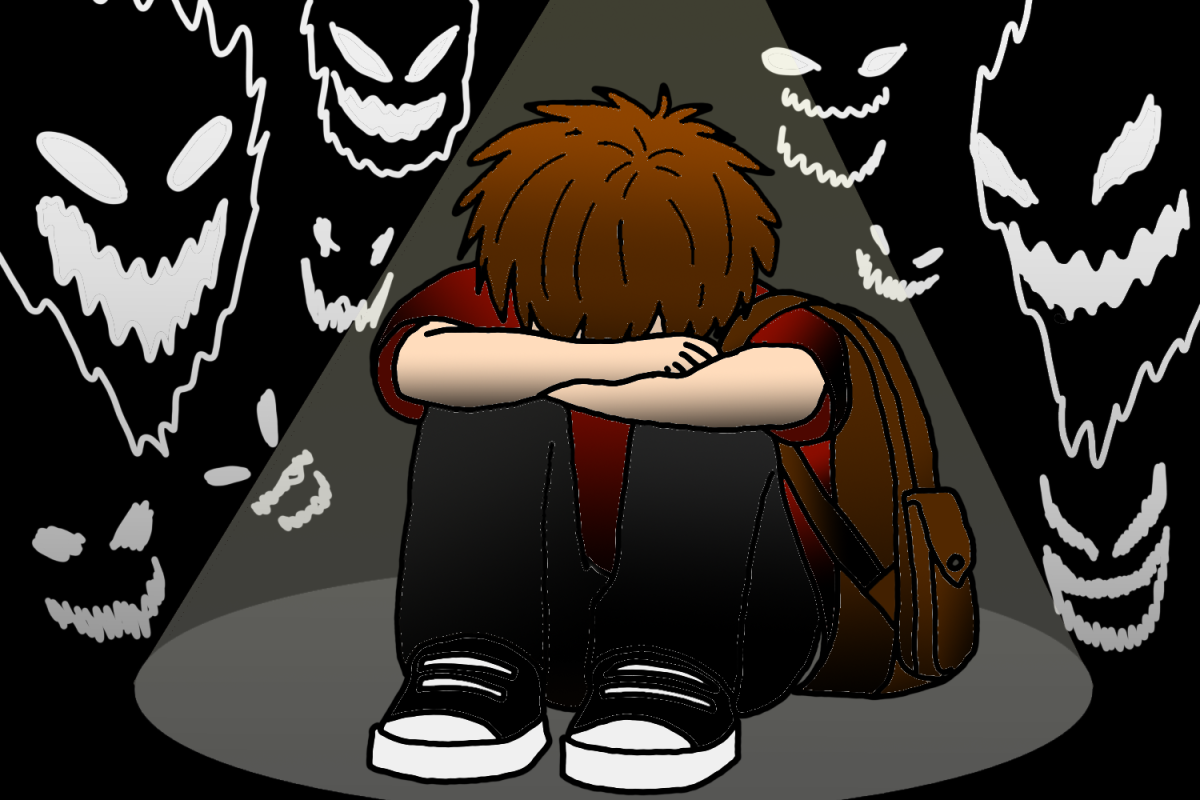
The words and insults bullies use can be an invisible dagger to another person’s self-confidence. With such a normalized way to insult people, the victims will start to believe that these statements are true, and, as a result, stop being who they truly are and instead mold themselves to fit in with society. This is a very sad truth, as most people don’t see the destruction created by “ordinary” language.
As a result of the rise in normalized slang words, online communication has allowed people to hide behind screens by anonymously commenting negative things to a person via DMs or on any of their posts. They gain the opportunity to say harmful messages they may not have had the confidence to say directly to a person’s face. The lack of accountability leads to more insulting behavior, as they do not see how their choices affect another person and do not fear the repercussions that may come with their choices. Additionally, other teenagers might join in on the action, not because they have something against the targets, but simply because they want to feel included and “normal.”
An easy way to fix the normalization of bullying and online bullying is as simple as thinking before speaking. Comprehending what you are about to say and the impact of your words can help reduce the amount of bullying. Additionally, being an upstander, contrary to being a bystander, reduces the normality of bullying.
The ultimate result of this convenient bullying through social media and other means is the destruction of the self-confidence, personality, hobbies, and mental health of young teenagers.