Lunar New Year is widely celebrated all over the world, from East Asia to London to Los Angeles. More than half of Arcadia’s citizens are Asian, with many different nationalities under the Asian umbrella. Despite many sharing cultural backgrounds, every family celebrates and honors Lunar New Year in their own way.
In China, Lunar New Year is also known as the Spring Festival. Celebrations can last up to 16 days of dances, decorations, and lots of food. Some popular dishes are fish, dumplings, and longevity noodles. Many traditions, like wearing red and launching fireworks, relate to the idea of luck or bringing luck into the new year.
“On the eve of Lunar New Year, my family and I eat a huge meal together. My mom is from Hong Kong, but my dad is from Manila,” freshman Joy Gumarang said.
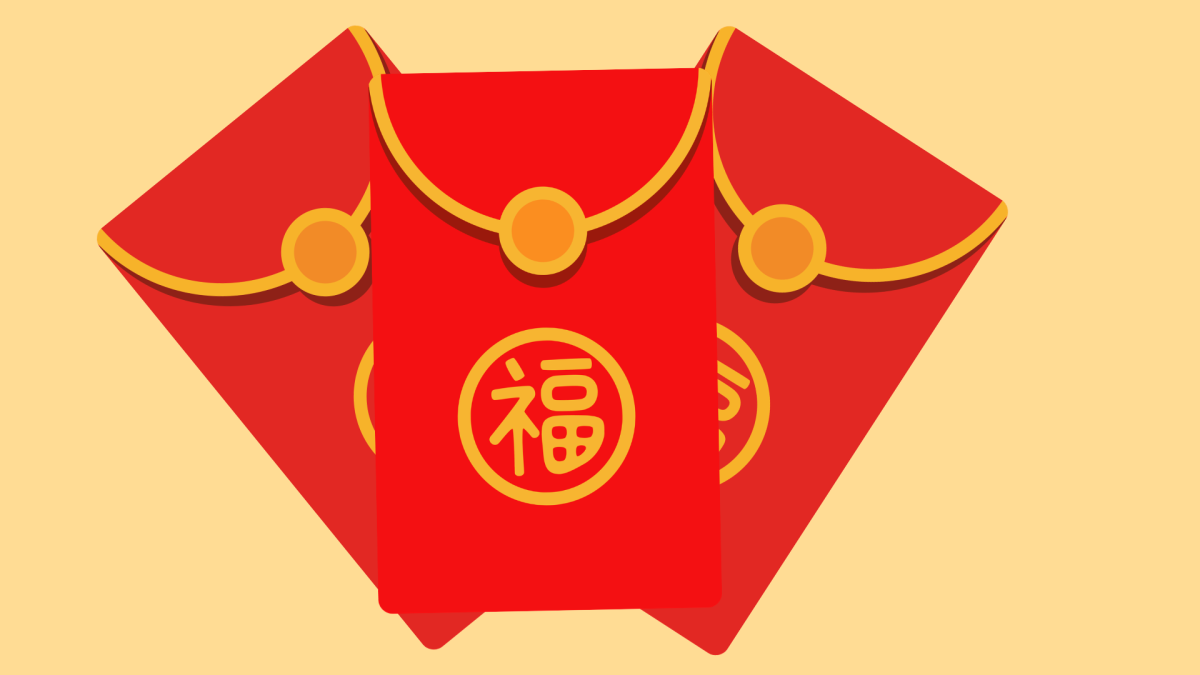
In Vietnam, Lunar New Year is known as Tet. Similarly, it focuses on family gatherings and expelling bad luck from homes. It’s one of the most important holidays in Vietnamese culture. Giving red envelopes to family members is a prevalent tradition.
“We usually gather together for a big dinner, visit relatives, give red envelopes, and just spend the night laughing and celebrating together,“ freshman Aiden Kwan said.
Korean families celebrate Lunar New Year by honoring ancestors. Also called Seollal, the festivities last three days long, significantly shorter in comparison to the 16 days in China.
“In our house, we did a ceremony for our late grandfather and honored his life by sharing food with him and each other,” sophomore Alexander Kim said.
Across different ethnicities, many celebrate through meals and quality time with family. Each celebration is made unique through the type of food shared and the conversations made at the table.
There’s even more common ground that East Asian cultures share when it comes to celebrating Lunar New Year. Red envelopes are typically decorated with symbols of luck, such as the zodiac animal of the year. They contain money and are given to the people in the family who are still unmarried.
Additionally, since Lunar New Year marks the beginning of a new year in the lunisolar calendar, many families clean their houses to sweep away bad luck and misfortune from the previous year. In some cultures, cleaning or throwing away trash on the day of Lunar New Year is frowned upon, since it could get rid of new luck.
As Asian culture continues to be celebrated throughout communities, it’s important to celebrate holidays respectfully and appropriately. Lunar New Year is a time of celebration, good luck, and prosperity for everyone. Even if you didn’t partake in any celebrations, be on the lookout for luck you might not know you’ve been carrying!