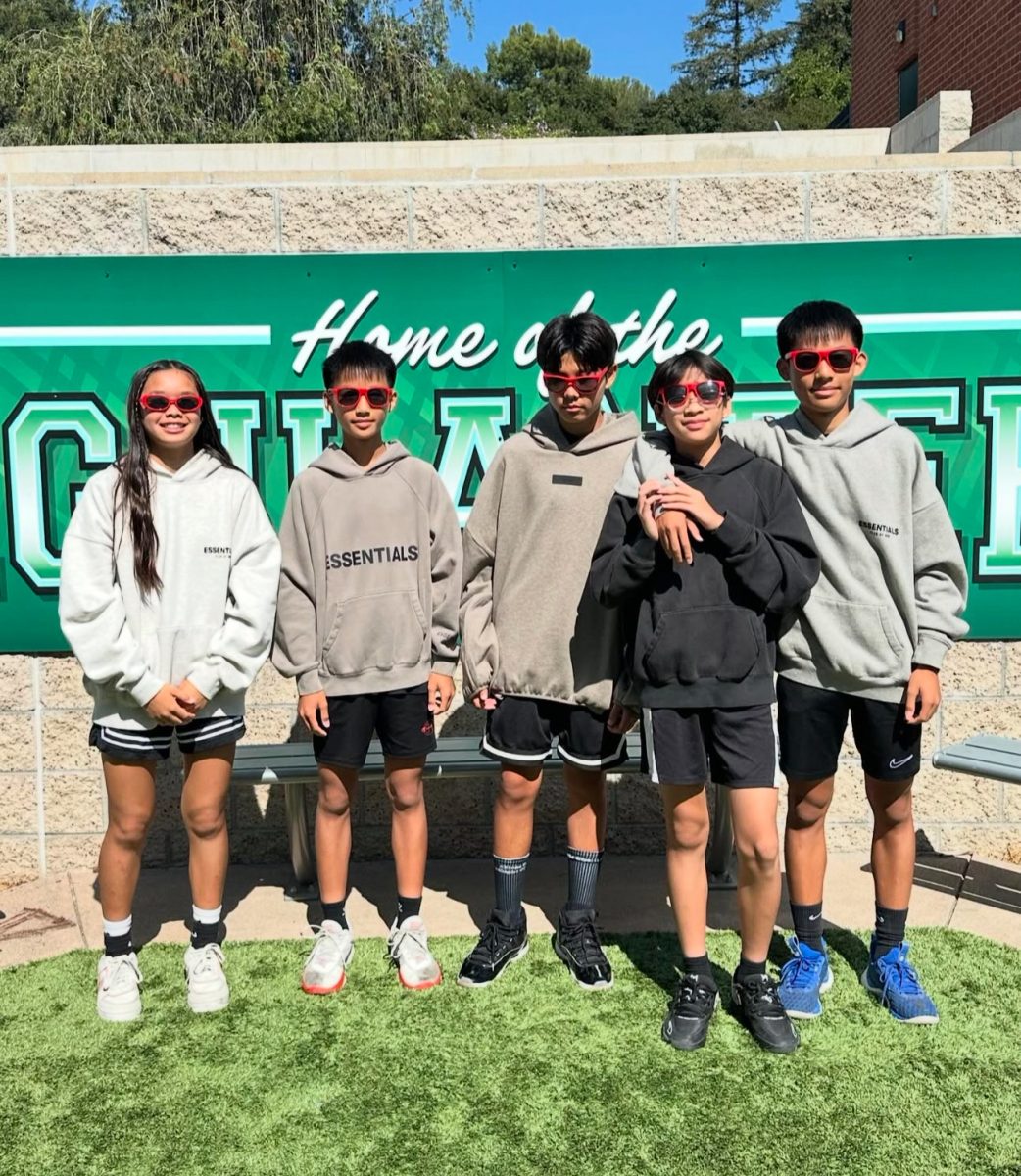
During the start of middle school, our friend group founded one of the most popular and beloved clubs at First Avenue Middle School: Chess Club. At first, we didn’t know how far this journey would take us, and this was just an experiment to prepare us enough for high school.
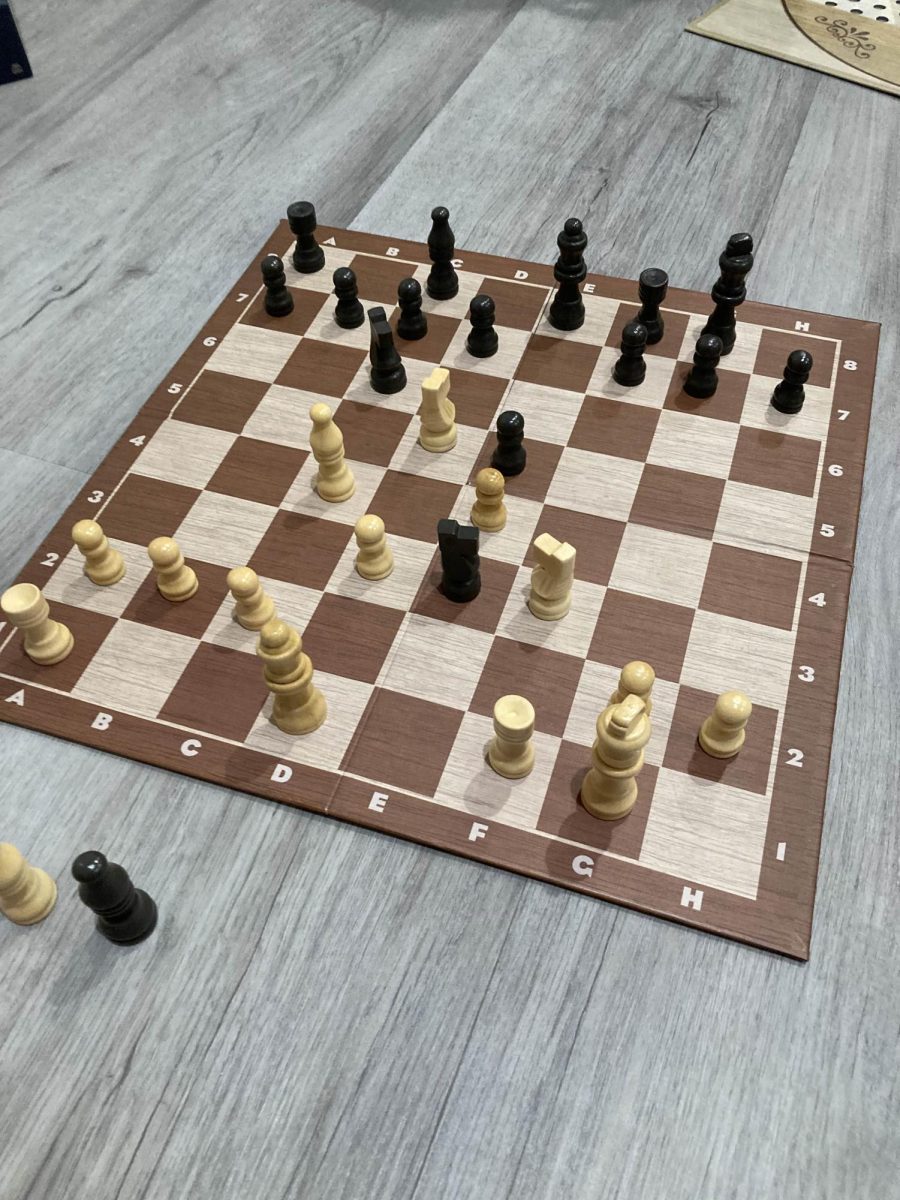
Chess was one of the few extracurricular activities we enjoyed as elementary students. No two matches were ever the same, and every move needed to be made with precision and focus. It was pure strategy and skill to outplay your opponents with the six different pieces you have on the board.
With only ten pawns, two bishops, two knights, two rooks, a queen, and a king, the game seemed simple on the surface, yet every move had countless meanings, and each mistake could cost you the match. Chess taught us how to plan ahead carefully and to learn from our failures.
Making clever traps and keeping track of every piece to gain the slightest edge over your opponents are what make chess so fun and inspiring for us. Each game kept us on the edge of our seats—every calculated risk and reposition as the time ticked down, with both players scrambling to outplay the other.
However, the best part about it was the fun times with friends. Every Tuesday, we would rush into Mr. George Gund’s classroom and run down the stairs, where familiar sounds of chatter, laughter, and the clicking of chess pieces filled the basement. The classroom felt like a second home, our friends gathered around chessboards while joking around and cheering each other on. It was a fun time to look forward to every week, a break from our responsibilities, homework, and the outside world in general.
As time went on, we began organizing small tournaments within the club, setting up brackets and timing our matches. Even though some of the games were competitive, there was always a sense of mutual respect. One student, Mingyang Zhang, would always have his game face on and play with a focus that pushed the rest of us to take our matches more seriously. He became the unofficial standard by which we measured ourselves and would always enter the room with a warm mood. We celebrated each other’s victories, laughed off the occasional blunders, and applauded the even rarer brilliant moves. There was something special about being a part of a group that shared the same passion and energy.
As we eventually entered high school, we realized how much these experiments prepared us for what happened next. Starting new clubs, joining new communities, and taking on more responsibility felt familiar because Chess Club had already taught us what it meant to create a space where people felt welcomed, motivated, and ready to learn.
Overall, those lunches at Chess Club were some of our most cherished memories in middle school. It wasn’t about the wins or trophies, but the friendships we built along the way. What started as a simple experiment turned into a close, unforgettable community.