Nowadays, digital aesthetics refer to the distinct visual identities and online vibes. In this age of social media, they have quickly risen to fame, with personal styles such as “cottagecore,” “vintage,” and “clean girl” clearly beginning to shape how people dress and express themselves.
These ideas cover a wide range of styles, each with its own distinct color scheme, mood, and community. “Dark academia,” for instance, is a romanticized version of intellectual pursuits, such as classic literature and a passion for knowledge. Antique objects and clothing items, such as tweed jackets and blazers, are key elements of this culture, maintaining the rather mysterious and melancholy look that characterizes it.
“I really like how there are so many types of aesthetics, making it much easier to browse and figure out who you are,” said freshman Ashley Ye.
Others, like “Y2K” and “coquette,” derive from the early 2000s nostalgia and soft, feminine details, respectively. Another example is the “kawaii” aesthetic, a Japanese concept centered around cute, pastel features, most prominently shown in anime and manga.
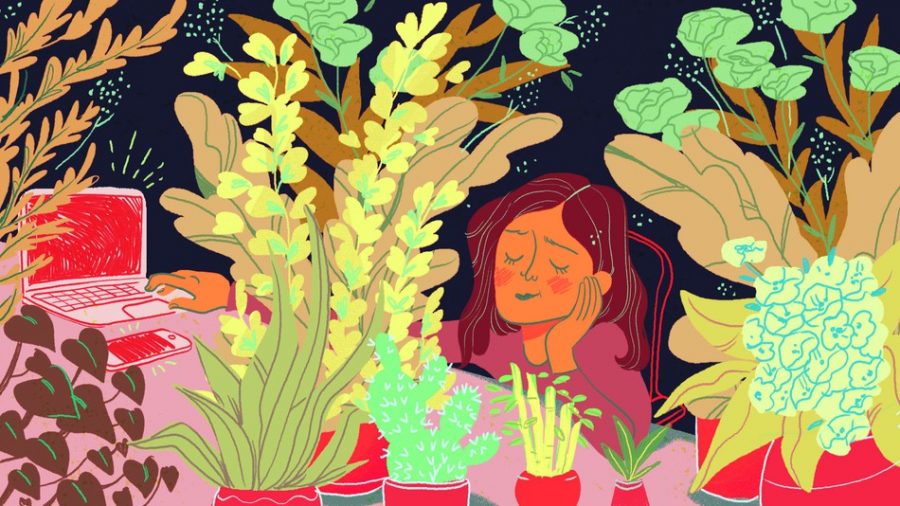
Platforms like TikTok, Instagram, and Pinterest have played a major role in the spread of these aesthetics. Designed to display eye-catching content, their algorithms are dedicated to pushing short videos, photos, and boards with striking color and composition. When users engage with a particular fashion, their feed is immediately filled with similar posts, resulting in a cycle of trends that are consumed and recreated by others in their daily lives.
“Seeing all these different aesthetics online really gives me ideas for how to express myself. I think it boosts innovation skills and provides inspiration,” said freshman Kelly Xi.
People have also remarked that the constant displays of aesthetics sell an illusion of an ideal environment and physical perfection, when it is vastly different in reality.
“It’s like everyone always tries to fit in with these concepts, which can, at times, result in others feeling like their real lives aren’t aesthetic enough. It’s easy to forget that what you see online is often staged,” said freshman Shresta Andem.
Despite the pressures people may face, many gravitate toward these aesthetics since they offer a way to express their identity, creativity, and aspirations. Anyone can explore the numerous categories and find one that reflects their personality or goals. Whether it’s through fashion, routines, or home decor, these trends encourage viewers to experiment and bring their ideas to life.
“When you find an aesthetic that fits your personality, you’re introduced to a community of people with similar interests, helping you meet others that you can explore various styles with,” said sophomore Cindy Moe.
These online displays and images are extremely helpful for people in imagining the versions of themselves that they want to project. In all, digital aesthetics serve as an inspiration and reflection for many, able to provide comfort, motivation, and self-improvement.